
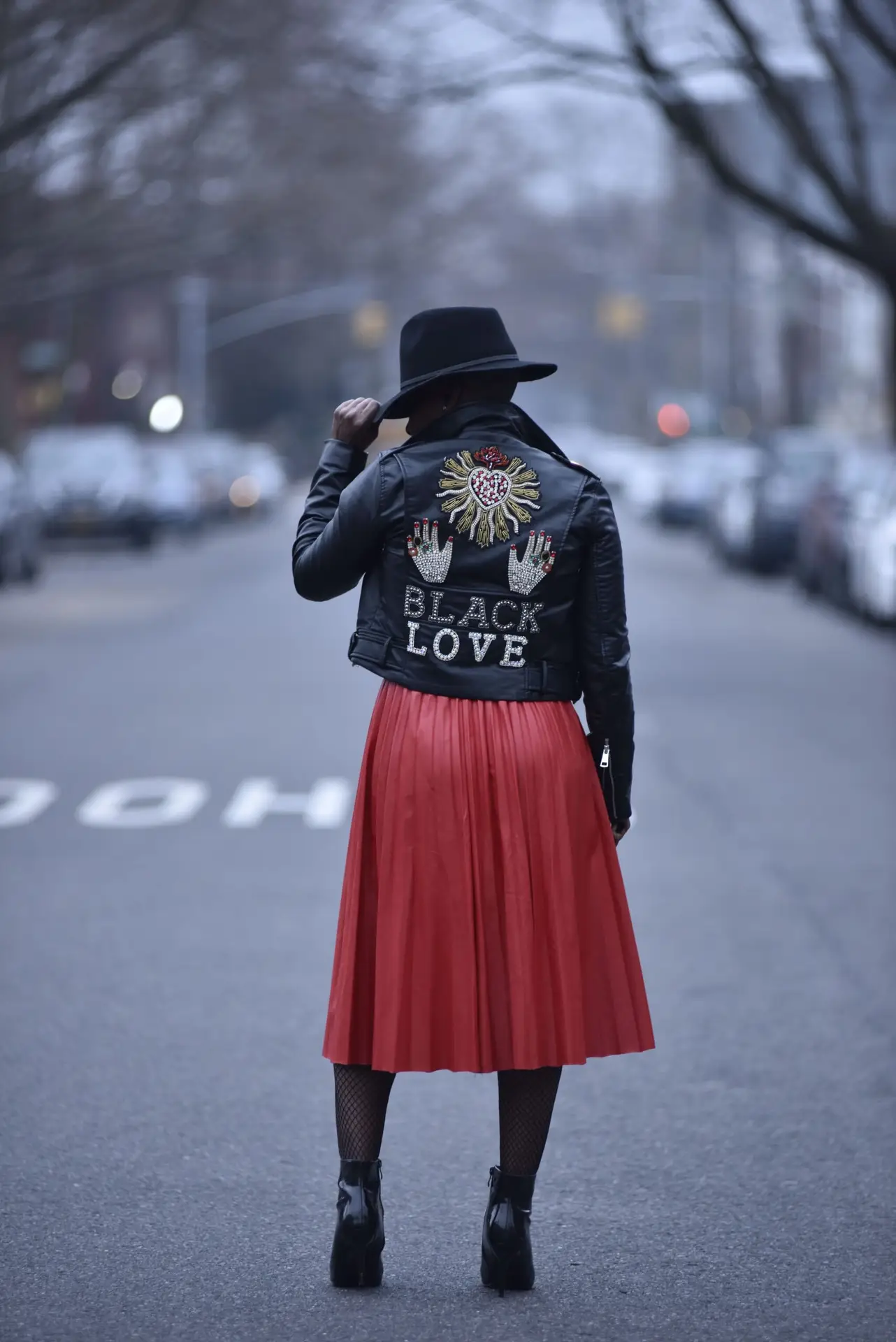

Fashion rarely starts on a runway. More often, it starts on a street corner, in a basement club, at a protest, or in a community that decided to make a statement with what it wore. The most influential style movements in history weren’t born from trend forecasting — they were born from culture, identity, and sometimes resistance. Decades later, we’re still wearing their influence, even when we don’t realize it.
Here are five cultural movements that reshaped what “style” even means.
1. The Harlem Renaissance
In the 1920s and ’30s, Harlem became the epicenter of a Black cultural explosion — one that expressed itself through music, literature, art, and, powerfully, fashion. Style during the Harlem Renaissance was a form of dignity and self-definition: tailored suits, wide-brimmed hats, fur stoles, and polished silhouettes weren’t just fashionable — they were a deliberate rejection of the degrading stereotypes Black Americans had long been forced to endure.
Its lasting influence: The Harlem Renaissance established fashion as a tool of pride and self-assertion — a lineage that runs directly through Black style movements ever since, from Motown glamour to today’s red-carpet fashion statements.
2. Punk
Emerging in the mid-1970s out of London and New York, punk fashion was a direct, deliberate middle finger to mainstream taste. Ripped clothing, safety pins, DIY patches, leather, and provocative graphics weren’t about looking polished — they were about looking dangerous, disruptive, and unmistakably anti-establishment. Designers like Vivienne Westwood turned punk’s raw rebellion into a genuine fashion movement. I still have to attend The AFROPUNK Festival one of these years, soon.
Its lasting influence: Punk proved that imperfection and rebellion could be their own aesthetic. Its DNA lives on in distressed denim, deconstructed tailoring, and the entire concept of “high-low” fashion mixing streetwear with luxury.
3. Hip-Hop
Beginning in the Bronx in the 1970s and exploding into a global cultural force by the ’80s and ’90s, hip-hop didn’t just create a genre of music — it created an entire visual language: oversized silhouettes, tracksuits, gold chains, sneakers as status symbols, and later, luxury logos worn as a form of self-made success. What started as a grassroots, community-built culture went on to directly shape luxury fashion, streetwear, and sneaker culture as we know it today.
Its lasting influence: Nearly every major fashion house now collaborates with hip-hop artists or draws from its aesthetic. Streetwear — arguably the most dominant force in fashion over the last two decades — has hip-hop culture as its direct ancestor.
4. The Mod Movement
Emerging in 1960s London, Mod culture was built around sharp tailoring, bold geometric prints, mini skirts, and a clean, youthful silhouette that rejected the more conservative fashion of previous generations. Tied closely to music (The Who, The Kinks) and scooter culture, Mod represented a generation determined to look distinctly modern — hence the name — and unmistakably young.
Its lasting influence: Mod’s crisp lines and youthful rebellion against “dressing like your parents” set the template for nearly every youth-driven fashion movement that followed, and its geometric, graphic influence still resurfaces regularly on runways.
5. The Black Power Movement
In the late 1960s and ’70s, the Black Power movement transformed fashion into an explicit political statement. Natural afros, dashikis, and African-inspired prints and textiles were a direct rejection of Eurocentric beauty standards and a reclamation of African heritage and identity. Style became inseparable from the message: Black is beautiful, and Black identity deserves to be worn proudly, not minimized.
Its lasting influence: This movement laid the groundwork for the natural hair movement, the ongoing celebration of African-inspired prints in mainstream fashion, and the broader idea that personal style can be an act of cultural pride and political voice at once.
The Common Thread
Look closely at all five of these movements, and one theme repeats: the most influential style in history wasn’t designed to please everyone. It was designed to say something — about identity, about resistance, about belonging, about pride. That’s the throughline connecting Harlem’s tailored suits to punk’s safety pins to hip-hop’s gold chains to Mod’s clean lines to the Black Power movement’s natural afros: style as a statement of who you are, worn without apology.
Because the boldest fashion has never just been about how you look — it’s always been about what you’re saying.