
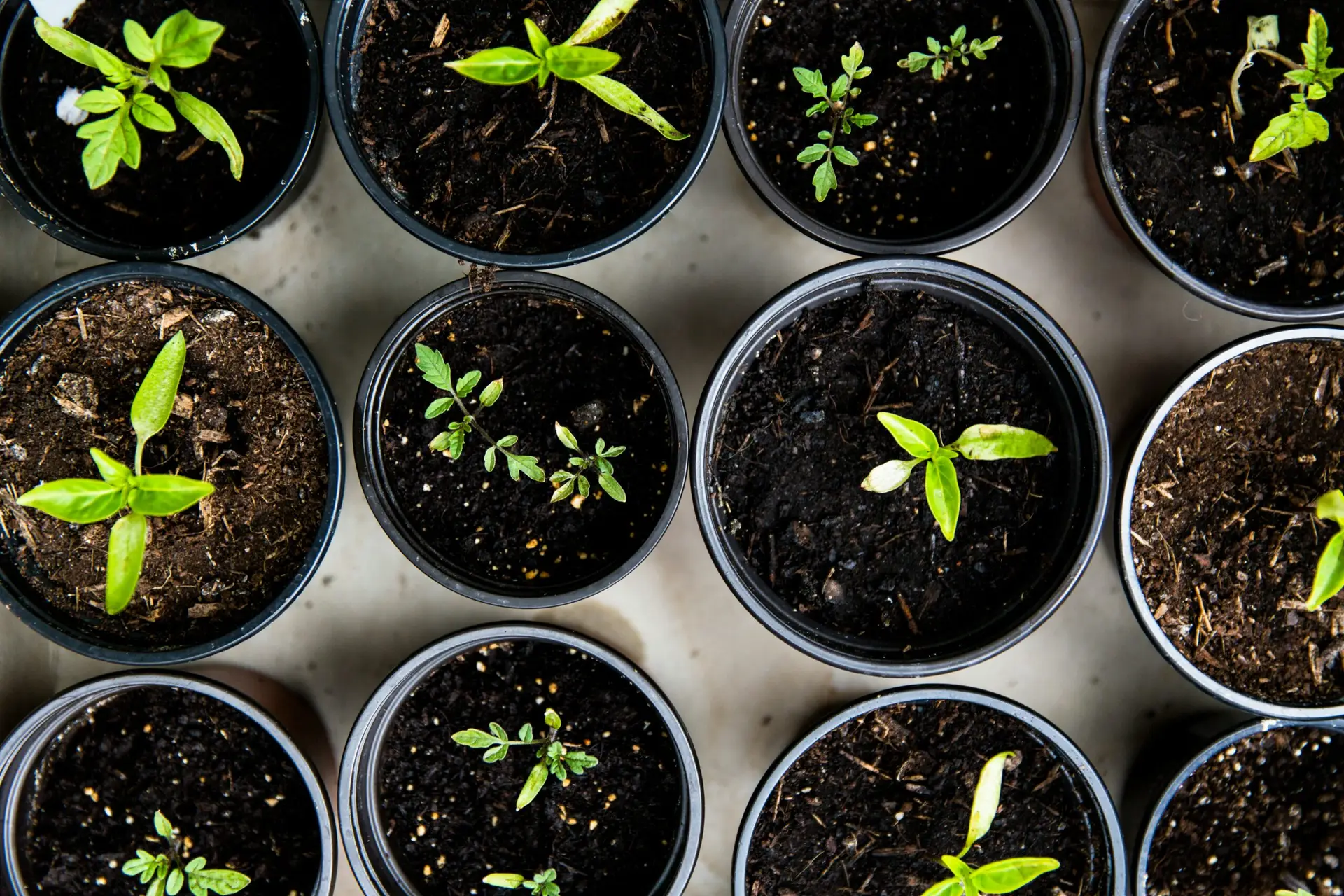

Just because summer has come and gone doesn’t mean your garden has to. Fall might be one of the most underrated seasons for food growing— cooler temperatures mean less stress on plants (and on you), fewer pests, and some of the sweetest, most flavorful produce of the year.
If you’re new to gardening or just looking to extend your growing season, here are five easy, beginner-friendly crops to get in the ground this fall.
1. Garlic
Garlic might be the single most rewarding “set it and forget it” crop you can grow. Planted in fall, individual cloves spend the cooler months quietly establishing roots before bursting into growth in spring — and by early summer, you’ll have full, flavorful bulbs far superior to anything from the grocery store. Trust me.
Why it’s easy: Garlic is remarkably low maintenance. Once planted, it mostly just needs to be left alone until harvest. And I’m here for low maintenance gardening.
Growing tip: Plant individual cloves (pointy side up) about 2 inches deep, 6 inches apart, a few weeks before your first hard frost.
2. Kale
Kale isn’t just trendy — it’s genuinely one of the most forgiving crops for a fall garden. It thrives in cooler weather, and a light frost actually makes it sweeter by converting some of its starches into sugar.
Why it’s easy: Kale is remarkably pest- and cold-resistant, and it keeps producing leaves for weeks (sometimes months) once established. Definitely one of my favorite greens to plant.
Growing tip: Harvest outer leaves as needed rather than pulling the whole plant — this keeps it producing continuously through the season.
3. Spinach
Spinach is a fall garden classic for good reason: it germinates quickly, grows fast, and actually prefers the shorter days and cooler soil temperatures of autumn over the summer heat. I’m located in agricultural zone 9b, so the warmer temperatures aren’t conducive to its growing requirements. But if you are in a cooler agricultural zone, you should consider.
Why it’s easy: It’s fast — many varieties are ready to harvest in just 4–6 weeks, so you’ll see results quickly, which is great for staying motivated as a beginner.
Growing tip: Sow seeds directly in the soil about half an inch deep and keep the soil consistently moist until seedlings emerge. If the leaves wilt, more than likely they are taking on too much heat.
4. Carrots
Fall-grown carrots are known for being sweeter — the cooler soil encourages the plant to convert starches into sugar, similar to kale. Let me tell you how much of a bust it my first attempt was at growing carrots. Spacing is critical for carrots to grow to full maturity.
Why it’s easy: Carrots don’t need much beyond loose, well-draining soil and consistent moisture — no elaborate staking, pruning, or fussing required.
Growing tip: Make sure your soil is loose and rock-free to at least 6–8 inches deep, so roots can grow straight and full instead of forking. Also, make sure that you give them enough space as you sow your seeds. Your rows should be a foot apart, while your seeds are to be 1 inch apart.
5. Radishes
If you want near-instant gratification in the garden, radishes are your answer. They’re one of the fastest-growing vegetables you can plant, often ready to harvest in as little as 3–4 weeks.
Why it’s easy: Radishes are extremely forgiving — they germinate quickly, need minimal care, and are a great confidence-builder for new gardeners.
Growing tip: Sow seeds directly about 1/2 inch deep and an inch apart, then thin seedlings once they sprout to give roots room to size up properly.
A Few General Fall Planting Tips
- Check your first frost date for your area, and count backward from there to time your planting.
- Cooler weather means less watering — but don’t let the soil dry out completely, especially while seeds are germinating.
- Mulch matters — a light layer of mulch (preferably organic) helps regulate soil temperature and retain moisture as the weather shifts.